Christian Hope aims to uplift readers by sharing stories, Scriptures, and insights that highlight the significance of hope within the Christian Faith. It seeks to provide a source of encouragement, especially during difficult times. it may cover theological concepts, biblical teachings, and personal testimonies that illustrate how hope plays a vital role in believers’ lives. This blog may serve as a platform for people to connect, share their struggles and victories, and support one another in their faith journeys. it fosters a sense of belonging within the Christian community.
Daily writing Prompt: What is the greatest gift someone could give you?
In the vast, unending tapestry of existence, the greatest gift someone could offer me is the everlasting light of life in Christ. It is as if I stand at the edge of a boundless ocean, the waves shimmering with promises, where each crest represents a moment filled with grace and mercy. In this ocean, I find not just water, but a sacred source that nourishes my spirit and quenches my deepest thirst.
To choose eternal life in Christ is to embrace an endless journey through a lush, verdant garden, where every bloom is a promise of hope and every breeze carries whispers of love. This garden is tended by the gentle hands of faith, where I walk freely, feeling the warmth of divine companionship, even in the shadowed valleys.
In my soul, this gift becomes a celestial compass, guiding me through the winding paths of life’s trials and joy. It is a radiant sun that breaks through the darkest night, illuminating my heart with unwavering truth and unconditional love.
Each heartbeat resonates with the rhythm of eternity, each moment a testament to grace. In choosing this gift, I am anchored in purpose, forever buoyed by the promise of life beyond the confines of time, a celebration of existence painted in hues of eternal love.
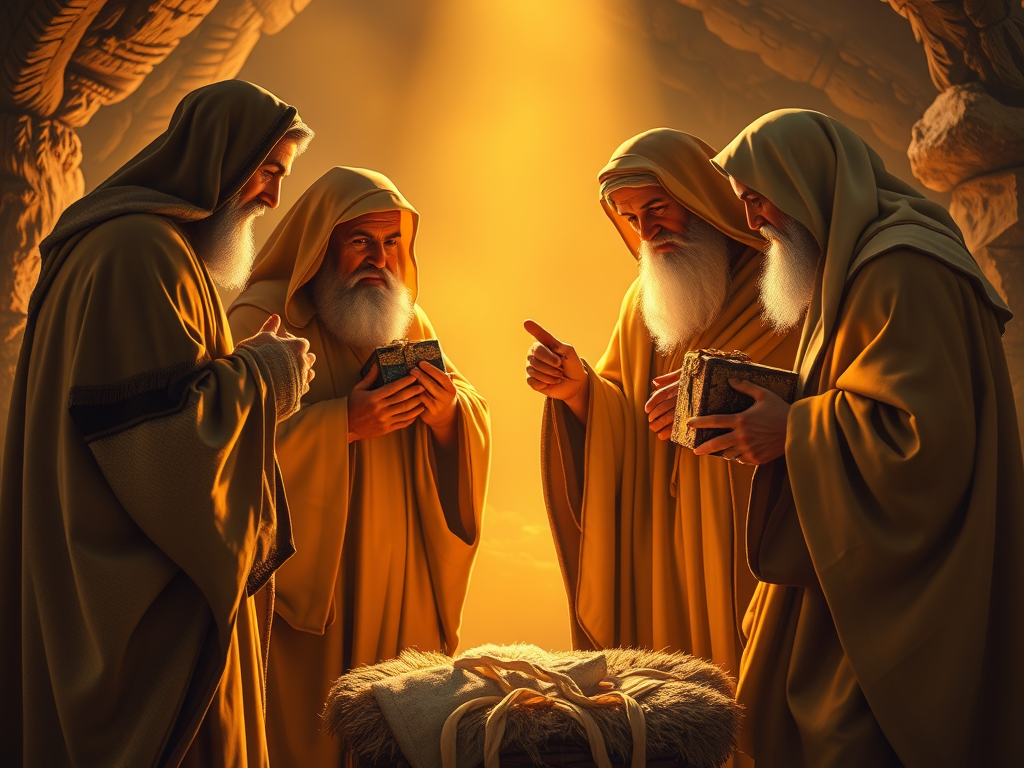
Scripture: Matthew 2:11: “And going into the house, they saw the child with Mary his mother, and they fell down and worship Him. Then, opening their treasures, they offered Him gifts, gold and frankincense and myrrh.”
The verse Matthew 2:11 is situated within the broader narrative of the visit of the Magi, or wise men, to the newborn Jesus. The chapter opens with the Magi arriving in Jerusalem, having followed a star that signified the birth of the King of the Jews. They seek information from King Herod, who, feeling threatened by the news of a rival king, inquires about the Messiah’s birthplace. The Magi eventually find Jesus in Bethlehem, and in this moment, Matthew captures their profound response: “And going into the house, they saw the child with Mary his mother, and they fell down and worship Him. Then, opening their treasures, they offered Him gifts, gold and frankincense and myrrh.”
The worship of the wise men carries deep significance on multiple levels. First, it symbolizes the recognition of Jesus’s authority and divine nature, even in His infancy. The act of falling down before Jesus is a posture of humility and reverence, indicating that these learned men from the East understood Him as the long-awaited Messiah. Their worship represents a profound acknowledgment that Jesus is worthy of honor and reverence, aligning with the prophecies and signs that foretold His coming.
Moreover, the gifts they presented-gold, frankincense, and myrrh-were rich in meaning. Gold signifies Jesus’s kingship, as gold is associated with royalty. Frankincense, often used in religious rites, symbolizes His divine nature and the worship He is due. Myrrh, which was used for embalming, foreshadows His sacrificial death. Together, these gifts illustrate not only their reverence for His kingship and divinity but also an awareness of His eventual suffering and purpose.
The implications of the wise men’s worship extend beyond the historical moment and enter the realm of personal and communal faith. Their actions invite believers to consider what it means to truly worship. Worship is more than an act of singing or meeting-it is a lifestyle of honoring God with our hearts, minds, and resources. The Magi traveled great distances, sacrificed their time, and brought offerings, showcasing that sincere worship often requires effort and awe willingness to give.
Additionally, the Magi’s worship breaks cultural and societal boundaries. They were not the traditional Jewish followers; rather, they came from foreign lands. This suggests that Jesus’s with is meant to impact all nations and peoples, inviting a response from everyone regardless of their background. Their worship reminds us that God’s salvation through Christ is universal and transcends individual differences.
Magi’s worship reminds us that God’s salvation through Christ is universal and transcends individual differences.
Thus, in the act of worship described in Matthew 2:11, we see a beautiful tapestry of humility, reverence, and acknowledgement of Jesus’s identity and purpose. The wise men not only enjoyed a remarkable experience of witnessing the Messiah but also set a precedent for all who encounter Him. As we reflect on their response, may we be inspired to approach Jesus with the same heart of adoration and offering, recognizing Him as our King, our God, and our Savior.
Prayer: Heavenly Father, Thank You for the gift of Your Son, Jesus. As we go through our day, help us to recognize His presence in our lives and inspire us to worship You with our hearts and actions. May we offer our gifts and talents for Your glory and serve others with love and kindness. Guide us to seek Your wisdom and direction in all we do. In Jesus’ name, we pray. Amen.
Scripture: Luke 2:11: For unto you is born this day in the city of David a Savior, who is Christ the Lord.
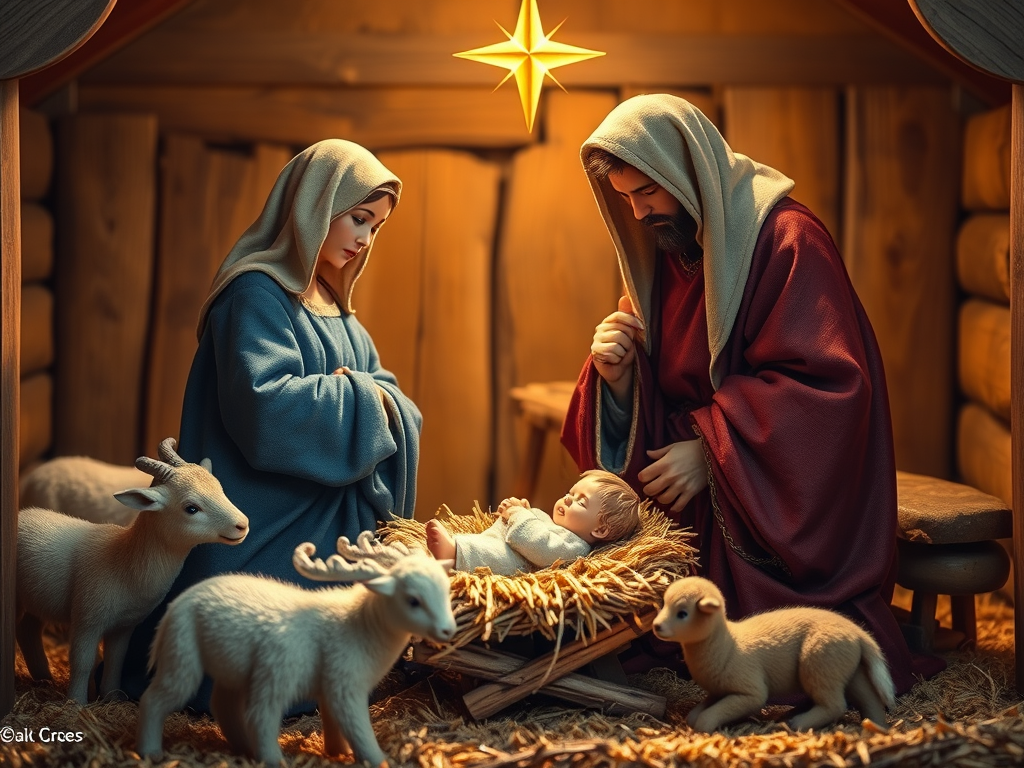
Luke 2:11 is a pivotal verse found within the nativity narrative of the Gospel of Luke. This account opens with the description of Jesus’s birth in Bethlehem and includes the angelic announcement to the shepherds, who were among the first to hear the news of Christ’s arrival. The shepherds were humble and marginalized figures in society, often viewed as lowly. At the time of Jesus’ birth, the Jewish people were yearning for liberation from oppression, eagerly awaiting a Messiah who would bring salvation and hope.
Luke 2: 11 states, “For unto you is born this day in the city of David a Savior, who is Christ the Lord.” This proclamation holds profound theological significance. The announcement begins with “For unto you,” which highlights the personal nature of this good news. It is an intimate invitation to all people, not just the religious elite. The term “Savior” is critical; it identifies Jesus as the one who will rescue humanity from sin and its consequences. “Christ” denotes His anointed status as the long-awaited Messiah, while “Lord” affirms His divine authority. This verse encapsulates the essence of the Gospel, affirming that God chose to enter our world in the most vulnerable way, as a newborn child, to bring salvation.
The implications of Luke 2:11 resonate deeply in our current context. Just as the shepherds received the announcement of Jesus’ birth in an unexpected and glorious manner, we too are called to receive the hope and joy that Christ brings into our lives. In a world filled with turmoil. despair, and division, this message serves as a reminder that God’s greatest gifts often come in unexpected packages.
This verse invites us to embrace the message of love, hope, and joy that Christ represents. It challenges us to consider who might be considered “lowly” or “marginalized” in our society today and how we can extend the good news of Christ’s love to them. it encourages us t share this joy with others, embodying that message of hope in our relationships, communities, and beyond.
Ultimately, Luke 2:11 captures the essence of God’s heart towards humanity-a heart that finds joy in our redemption and desires for us to experience the fullness of life through Him. AS we reflect on this verse this season, let us be reminded that the birth of our Savior brings incredible hope and invites us to be bearers of His light into the world.
Prayer: Heavenly Father, Thank You for the incredible gift of Your Son, Jesus Christ, our Savior, born in humble circumstances to bring us hope and joy. Help us to remember the significance of His arrival in our lives. May we share this good news with others and reflect Your love in the world. Grant us peace as we celebrate His birth and inspire us to live in a way that honors Him daily.
Scripture References: Luke 1:35, John 1:14, Matthew 1:23
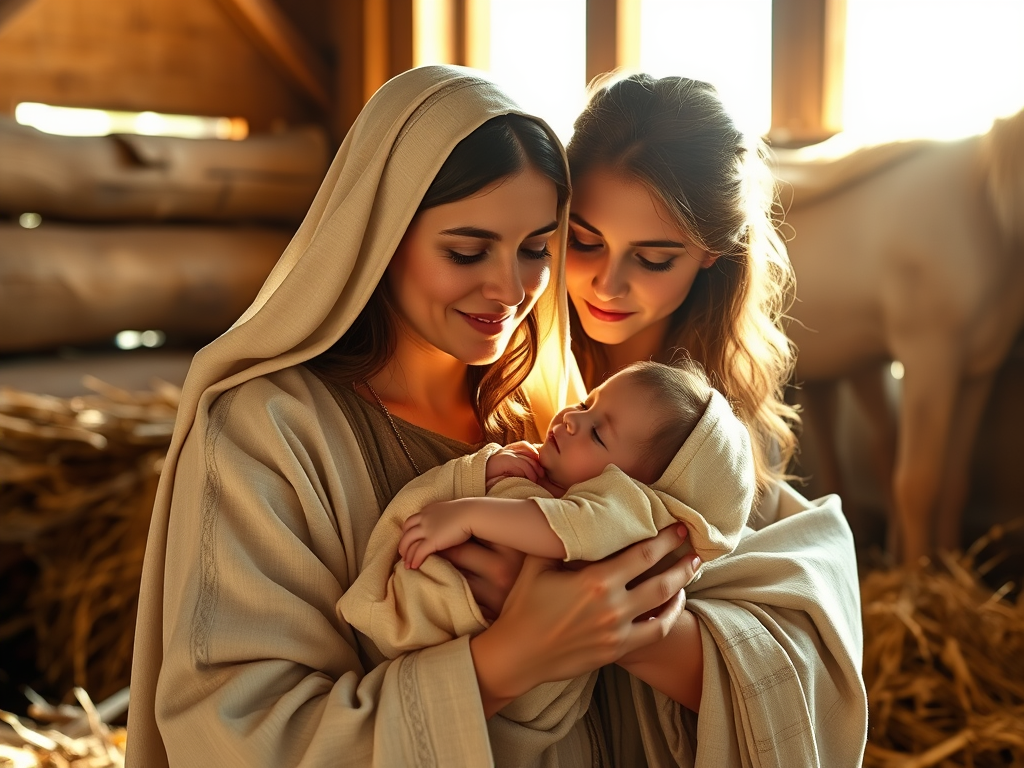
As we reflect on the dual nature of Jesus as both the Son of Mary or the Son of God, we find a profound mystery that speaks to the heart of our faith. In Luke 1:35, the angel Gabriel declares to Mary, “The Holy Spirit will come up on you, and the power of the Most High will overshadow you; therefore, the child to be born will be call holy- the Son of God.” This moment not only affirms Jesus’s divine sonship but also His humble entry into the world through a woman of faith.
Mary, chosen by God, exemplifies obedience and trust. Her response, “I am the Lord’s servant,” (Luke 1:38) reflects an acceptance of God’s will that we can all aspire to emulate. Jesus, as her son, was nurtured in a home where faith was alive. The weight of His mission as the Savior of the world began in the ordinary setting of a family, reminding us that God often works through the simplest of vessels.
John 1:14 introduces us to the idea of the Word becoming flesh and dwelling among us. This incarnation reveals God’s immense love and desire for relationship with humanity. Jesus was not only a man born of Mary but also the divine Logos, embodying grace and truth.
As we meditate on these truths today, let us embrace the essence of Jesus’s dual identity. In Him, we find the bride between heaven and earth, reminding us that God intimately understands our human experience. May we respond like Mary, inviting Jesus into the corners of our lives and trusting in His divine purpose for us.
The weight of Jesus mission as the Savior of the world began in the ordinary setting of a family, reminding us that God often works through the simplest of vessels.
Prayer: Lord Jesus, help me to recognize your presence in my daily life. May I, like Mary, be willing to embrace your will and reflect your love to the world. Amen.
“In that day the Branch of the Lord will be beautiful and glorious, and the fruit of the land will be the pride and glory of the survivors in Israel.” – Isaiah 4:2
In that prophecy the branch of the Lord symbolizes hope and restoration. This metaphorical branch represents the coming of the Messiah, who brings life, growth, and renewal to a weary world. The imagery of a branch suggests that from a seemingly barren and desolate place, new life can emerge. This passage assures us that God is actively working to bring forth a new beginning, even in times of despair.
The Branch of the Lord embodies the promise of salvation and divine intervention. it signifies that no matter how dire our circumstances may seem, there is always the potential for transformation and healing. This hope is not just for the people of Isaiah’s time but extends to us today. In a world filled with challenges- such as social injustice, personal struggles, and global crises- this promise serves as a reminder that we are not alone. The Branch encourages us to look beyond our current difficulties and trust in God’s plan for restoration.
In today’s society, the message of the Branch of the Lord is profoundly relevant. Many individuals face uncertainty and fear, whether due to economic instability, health issues, or social unrest. The hope that the Branch represents can inspire us to persevere and seek positive change. As we reflect on this passage, we are called to be agents of hope ourselves, sharing kindness and support with those around us. By embodying the qualities of the Branch- growth, resilience, and renewal- we can contribute to a more hopeful and compassionate world.
Thus, the Branch of the Lord in Isaiah 4:2 serves as a powerful symbol of hope and renewal. It reminds us that even in the darkest times, God is at work, bringing forth new life and opportunities for transformation. As we embrace this message, we can find strength and encouragement to face our challenges and inspire hope in others.
No matter how dire our circumstances may seem, there is always the potential for transformation and healing in Jesus Christ, the Branch of the Lord.
Prayer: Lord, Thank You for the hope and beauty You bring into our lives. May Your Spirit guide us to embody the fruit of righteousness and shine Your light in the world. Help us to live in harmony with one another, reflecting Your grace and love to those around us. Amen.
By Jules Precile, Daily Devotion on October 28-29, 2024
Therefore, if anyone is in Christ, he is a new creation; old things have passed away; behold, all things have become new. 2 Corinthians 5:17
In 2 Corinthians 5:17, the Apostle Paul emphasizes that anyone who is in Christ is new creation; the old has passed away, and the new has come. This profound transformation impacts a believer’s self-image by instilling a sense of worth and purpose. Understanding oneself as a new creation means recognizing that past mistakes and failures do not define one’s identity. Instead, believers can embrace their new identity, which is rooted in Christ’s love and acceptance.
Being a new creation in Christ significantly enhances self-image. It encourages individuals to view themselves through the lens of God’s rather than their shortcomings. This shift in perspective fosters confidence and a sense of belonging, as believers realize they are valued and loved by God. As a result, they can approach life with a renewed sense of hope and purpose, knowing they are part of a greater plan.
This new identity also transforms how individuals interact with others. When believers recognize they’re worth in Christ, they are more likely to extend grace and compassion to those around them. Understanding that everyone is also a creation of God encourages kindness and empathy, fostering healthier relationships. This perspective can lead to a community built on love and support, reflecting the character of Christ in everyday interactions.
In summary, being a new creation in Christ profoundly impacts self-image and interactions with others. It allows individuals to embrace their identity in God, leading to a positive self-view and a compassionate approach to relationships. This transformation not only enriches personal lives but also contributes to building a loving and supportive community.
“Understanding oneself as a new creation means recognizing that past mistakes and failures do not define one’s identity.”
Prayer: Dear Heavenly Father, thank You for the gift of new beginnings and the promise of transformation through Christ. as I go through this day, help me to embrace the new creation I am in You, shedding the burdens of my past and walking in the light of Your love. May my thoughts, words, and actions reflect Your grace and lead others to see Your goodness in my life. In Jesus’ name. Amen.
Colossians 1: 27 “To them God has chosen to make known among the Gentiles the glorious riches of this mystery, which is Christ in You, the Hope of Glory.”
The presence of Christ within us is not just a theological concept; it is a profound reality that transforms our lives. When we accept Christ as our Savior, His Spirit dwells in us, infusing us with Hope. This Hope is not a vague optimism but a confident expectation of God’s glory being revealed in and through us.
Consider how this truth affects your daily life. When faced with challenges, remember that Christ is within you, giving you strength and courage. When you encounter discouragement or doubt, reflect on Hope of glory that is rooted in your identity as child of God.
Prayer: Heavenly Father, thank You for the gift of Your Son and the hope of glory that Christ in me brings. Help me to recognize His presence in my life every day and to live in the truth of this reality. Strengthen my faith and let Your glory shine through me. Amen!


 CHRISTIAN HOPE