Christian Hope aims to uplift readers by sharing stories, Scriptures, and insights that highlight the significance of hope within the Christian Faith. It seeks to provide a source of encouragement, especially during difficult times. it may cover theological concepts, biblical teachings, and personal testimonies that illustrate how hope plays a vital role in believers’ lives. This blog may serve as a platform for people to connect, share their struggles and victories, and support one another in their faith journeys. it fosters a sense of belonging within the Christian community.
Listening to “Turning Point with Dr. David Jeremiah” has become a crucial part of the spiritual journey as a Christian. Dr. Jeremiah, with his deep understanding of the Bible, offers insights that help me connect scripture to everyday life. His teachings make complex theological ideas accessible and show me how to apply biblical principles to navigate life’s challenges.
I find the podcast to be a constant source of inspiration and encouragement, reinforcing my spiritual growth and my relationship with God. Each episode reminds me of the power of faith and the importance of living a Christ- centered life. Dr. Jeremiah’s practical advice on prayer is discipleship resonates with me, providing guidance on how I can deepen my faith.
Additionally, Turning Point helps me feel connected to a larger community of believers. The shared teachings and values create the sense of unity and support, which further strengthens my faith.
In essence, this podcast is essential for me as it offers valuable insights and encouragement to live a life grounded from Christian Teachings.
In philosophy class, we often explored profound statements like “God is dead,” proposed by Friedrich Nietzsche. A first glance, this declaration may seem shocking or even blasphemous. However, its true meaning lies in the critique of the decline of traditional values and the existential void that follows. Nietzsche’s assertion reflects the disillusionment of modern society with religious and metaphorical certainties that once provided meaning to life.
In today’s context, this statement resonates deeply as we navigate a world increasingly defined by secularism, scientific reasoning, and moral relativism. The decline of religious authority raises critical questions about the sources of our values and the purpose of existence. Many individuals find themselves searching for meaning in a world where the traditional frameworks of belief are crumbling.
The challenge we face today is how to construct a sense of purpose and morality without the scaffolding of a divine narrative. This requires a profound courage to engage with existential questions and seek values based on human experience rather than dogma.
Embracing this uncertainty can be daunting, yet it also opens the door to a rich exploration of individual and collective meaning. As I reflect on Nietzsche’s profound statement, I find an invitation to forge my own path and create a personal understanding of purpose in a world where the old certainties appear no longer apply.
While, rather than accepting the idea of God’s death as a liberating realization, I see it as an profound warning about the consequences of turning away from divine guidance, emphasizing the necessity of a relationship with God for true fulfillment and understanding in existence.
“Why, my soul, are you downcast? Why so disturbed within me? Put your hope in God, for I will yet praise him, my Savior and my God.”- Psalm 42 : 11 (NIV)
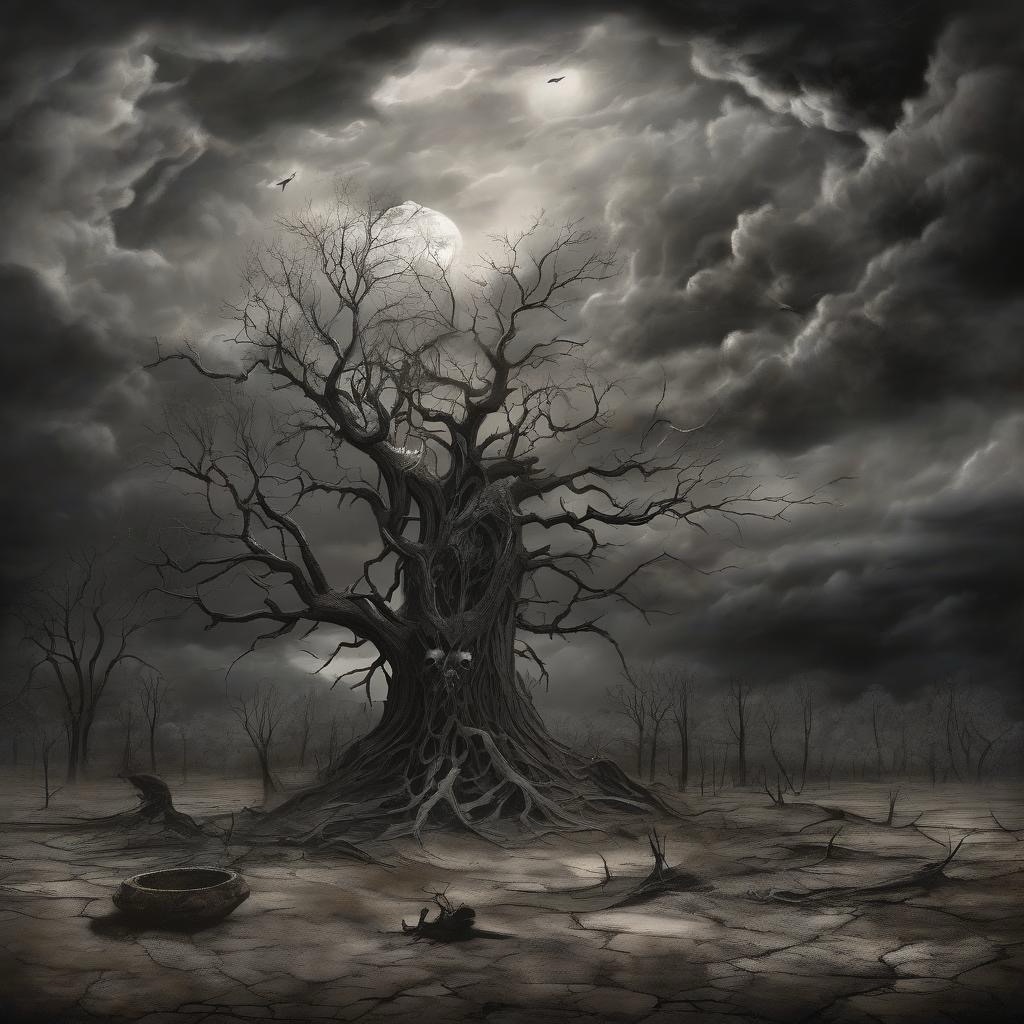
In times of darkness, doubt, and despair, it can be easy to feel overwhelmed and lost. Psalm 42 is thought to have been written during a time of deep longing for God’s presence amidst trials. The psalmist expresses a profound sense of inner turmoil, wrestling with feelings of abandonment and sorrow. Yet, amidst this struggle, there is a powerful declaration of hope.
The psalmist asks, “Why, my soul, are you downcast?” This question resonates deeply with many of us when faced with life’s challenges. It’s a reminder to confront our inner battles, rather than allowing them to fester. Here, the path to healing is not through self-pity, but by actively choosing to place hope in God.
We are encouraged to remember God’s pas faithfulness and to lift our voices in praise, even when circumstances feel bleak. in acknowledging our feelings while simultaneously choosing faith, we align ourselves with the truth that God is our Savior. This devotion serves as a reminder that hope is not just a feeling; it’s a choice we make, a commitment to seek the light even when shadows loom large.
Today, let’s decide to affirm our Hope in God, trusting that He will bring us through the darkness into His marvelous light in Christ.
Hope is not just a feeling; it’s a choice we make, a commitment to seek the light even when shadows loom large.
Prayer: Heavenly Father, when my heart feels heavy and my spirit is low, remind me to place my hope in You. Fill me with Your peace and joy, and let Your love be my strength. Amen.
In navigating the vast digital ocean, I discover that managing screen time is akin to steering a nimble sailboat through ever-changing tides. My journey begins with setting my course, ensuring I allocate time for each activity- much like plotting coordinates on a map. With sunrise, I dedicate the morning hours to productive work, harnessing the fresh winds of focus and steering clear of unnecessary digital distractions.
As the day progresses, the sun climbs higher, and so too does my screen exposure. To prevent capsizing amid overwhelming currents, I chart rest stops amidst the journey, giving myself moments to drop anchor and recharge on mental shores. These intermissions are crucial; they allow me to reset, just as a skillful sailor takes breaks to scan the horizon, ensuring the voyage stays on course.
Part of preserving my inner balance involves spiritual activity- my guiding star in the digital sea. I set aside time for meditation, prayer or quiet reflection, drawing on these practices like a compass that aligns my thoughts and soul. This spiritual anchoring imbues me with clarity and peace, fostering a deeper connection to the world beyond pixels and screens.
Evening approaches like a gentle sunset inviting me to lower my sails gradually. I engage in offline pursuits- reading, cooking, or taking a stroll- each a lifebuoy that keeps me afloat, preventing an all-consuming dive into the digital depths. With the arrival of dusk, I establish a haven for rest, disconnecting with the tranquility of a secluded cove.
In the vast sea of screens and stimuli, this delicate dance of navigation ensures a harmonious balance between digital engagement and holistic well-being.
Time is the invisible thread that stitches together the fabric of our lives, dictating the rhythm and pace of our daily existence. I find that time is one of the key valuable resources we have, primarily for of its finite nature. Once a moment passes, it cannot be reclaimed, urging me to cherish each second I am given.
The importance of time shines through in this constant juggling act we perform between personal and professional commitments. Effective time management enables me to set priorities, accomplish goals, and maintain a healthy work-life balance. By valuing time, I can carve out moments for self-reflection, personal growth, and the pursuit of passions, leading to a more fulfilling and enriched life.
In our modern world, where distractions abound, time management becomes even more crucial. It helps me to remain focused and productive, ensuring that tasks are completed efficiently without unnecessary stress. Furthermore, understanding the importance of time fosters a sense of urgency and motivation, propelling me toward my aspirations.
Thus, time matters because it shapes who we are and what we become. It is through the wise allocation and our hours, days, and years that we create lasting memories of meaningful achievements. Embracing the importance and time allows me to live purposefully, maximizing the opportunities that each day presents.
The Lord is good, a stronghold in the day of trouble; and He knows those who trust in Him- NAHUM 1:7
The book of Nahum is a prophetic text in the Old Testament that addresses the impending judgement of Nineveh, the capital of the Assyrian Empire, known for its cruelty and oppression. Nahum proteins God’s sovereignty and justice, emphasizing that while He is a refuge for those who trust in Him, He is also a fierce avenger against those who oppose Him. In Nahum 1:7, the verse states, “The Lord is good, a stronghold in the day of trouble; and He knows those who trust in Him.” This verse serves as a comforting reminder of God’s protective nature amidst chaos and suffering.
Nahum revealed Jesus is a stronghold, a safe haven into which we may run in our own day of trouble. While in the New Testament, He embodies the fulfillment of God’s promise to be a stronghold for His people. He invites us to cast our burdens upon Him, assuring us that He cares for us deeply.
In times of trouble, whether they be personal struggles, societal issues, or spiritual battles, we can find solace in His presence. Jesus offers us peace that surpasses all understanding, allowing us to navigate life’s storms with confidence.
When we face challenges, we can rely on Jesus as our refuge. He provides strength and comfort, reminding us that we are not alone. By turning to Him in prayer and meditation on His Word, we can experience His unwavering support. as we trust in Him, we find that He is indeed our Stronghold, guiding us through the trials of life with grace and love.
The Lord is our Stronghold. We can take refuge in Him.
Thus, Nahum 1:7 reassures us of God’s goodness and protection, and through Jesus, we have a stronghold that sustains us in our time of trouble.
Prayer: Heavenly Father, thank You for being my refuge and strength. You are good, and I trust in Your care and protection.Help me to seek you in times of trouble and find comfort in Your presence. Guide my steps today and fill my heart with Your peace. Amen.
“Et je mettrai inimitié entre toi et la femme, entre ta postérité et sa postérité: celle-ci t’écrasera la tête, et tu lui blesseras le talon.”Gn. 3:15
Genèse 3:15 dit : “Et je mettrai inimitié entre toi et la femme, entre ta postérité et sa postérité ; celle-ci t’écrasera la tête, et tu lui blesseras le talon.” Ce verset, souvent appelé le Protoévangile ou “premier évangile”, introduit la promesse de rédemption après la chute de l’humanité dans le péché. Cette postérité est comprise comme étant Jésus-Christ, qui accomplit finalement cette prophétie en surmontant le péché et la mort. La signification de cette promesse réside dans son assurance que, même face à l’obscurité et à la destruction, il y a de l’espoir pour la rédemption.
La semence de la femme apporte l’espérance en offrant le chemin vers le salut. Dans les moments de désespoir, lorsque l’humanité se sent perdue et accablée par le péché, la promesse de Jésus sert de rappel que Dieu a un plan pour la rédemption. Cet esperance ne concerne pas seulement le salut individuel, mais s’étend à l’ensemble du monde, soulignant qu’aucune situation n’est au-delà de la capacité de Dieu à restaurer.
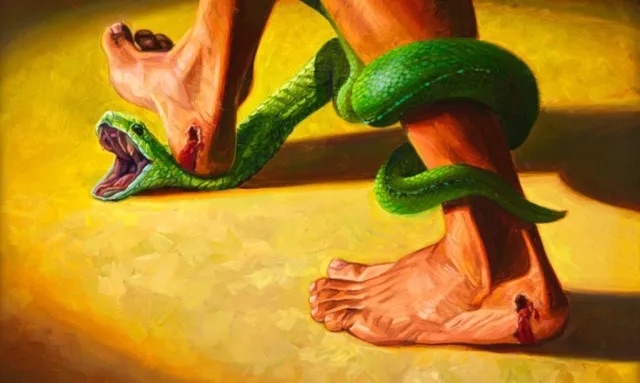
La “semence de la femme” dans ce contexte est largement interprétée par les érudits et les théologiens comme une prophétie concernant Jésus-Christ. En tant qu’accomplissement de cette promesse, la vie, la mort et la résurrection du Christ signifient un triomphe sur le péché et une restauration de l’espoir pour l’humanité. Alors que le serpent, symbolisant le mal, peut infliger des souffrances (“tu lui mordras le talon”), la victoire ultime appartient au Christ (“il écrasera ta tête”), symbolisant un triomphe décisif et définitif sur le péché et la mort.
De plus, la semence symbolise le triomphe du bien sur le mal. Dans un monde rempli de chaos et d’incertitude, l’assurance que Jésus a conquis le péché offre aux croyants la force de persévérer. Cet espoir encourage les individus à faire confiance aux promesses de Dieu et à envisager un avenir où les ténèbres seront vaincues.
Ainsi, la semence de la femme représente l’espoir ultime en Christ, nous rappelant que même dans nos moments les plus sombres, nous pouvons trouver du réconfort et de la force dans la promesse du salut.
La semence de la femme apporte l’espérance en offrant le chemin vers le salut. En temps de désespoir, lorsque l’humanité se sent perdue et accablée par le péché, la promesse de Jésus sert de rappel que Dieu a un plan pour la rédemption.
Prière : Père Céleste, Merci pour la promesse d’espérance et de rédemption trouvée dans Ta Parole. Alors que je réfléchis à Genèse 3:15, je prie pour avoir la force de rester ferme face à la tentation et de faire confiance à Ta victoire ultime sur le mal. Aide-moi à marcher dans la foi et à partager Ton amour avec ceux qui m’entourent. Que je me souvienne toujours qu’à travers Toi, nous avons la promesse de restauration. Au nom de Jésus, je prie. Amen.
Invent a holiday! Explain how and why everyone should celebrate.
The Day of Reflection and Connection is a spiritual holiday dedicated to fostering inner peace and enhancing our connections with others and the environment. Celebrated annually on first full moon of spring, this day is designed to encourage individuals to pause, reflect on their lives, and reconnect with their core values and the world around them.
On this day, people are encouraged to engage in various activities that promote mindfulness and community bonding. Mornings can be spent in quiet meditation or journaling, allowing individuals to reflect on their personal journeys, aspirations, and emotions. As the sun rises, communities can come together in local parks, gardens, or backyards to plant trees or flowers, symbolizing growth and renewal.
The afternoon can feature workshops, storytelling sessions, or art displays that celebrate diverse cultures and shared human experiences, promoting compassion and understanding. In the evening, communities gather for a feast that highlights local, seasonal foods, fostering appreciation of the earth’s bounty.
The Day of Reflection and Connection serves as a reminder of the importance of taking time for self-care, nurturing our relationships, and recognizing our interdependence with nature. By celebrating this day, individuals can cultivate peace within themselves while building stronger, more empathetic communities- fostering a spirit of unity and harmony for all.
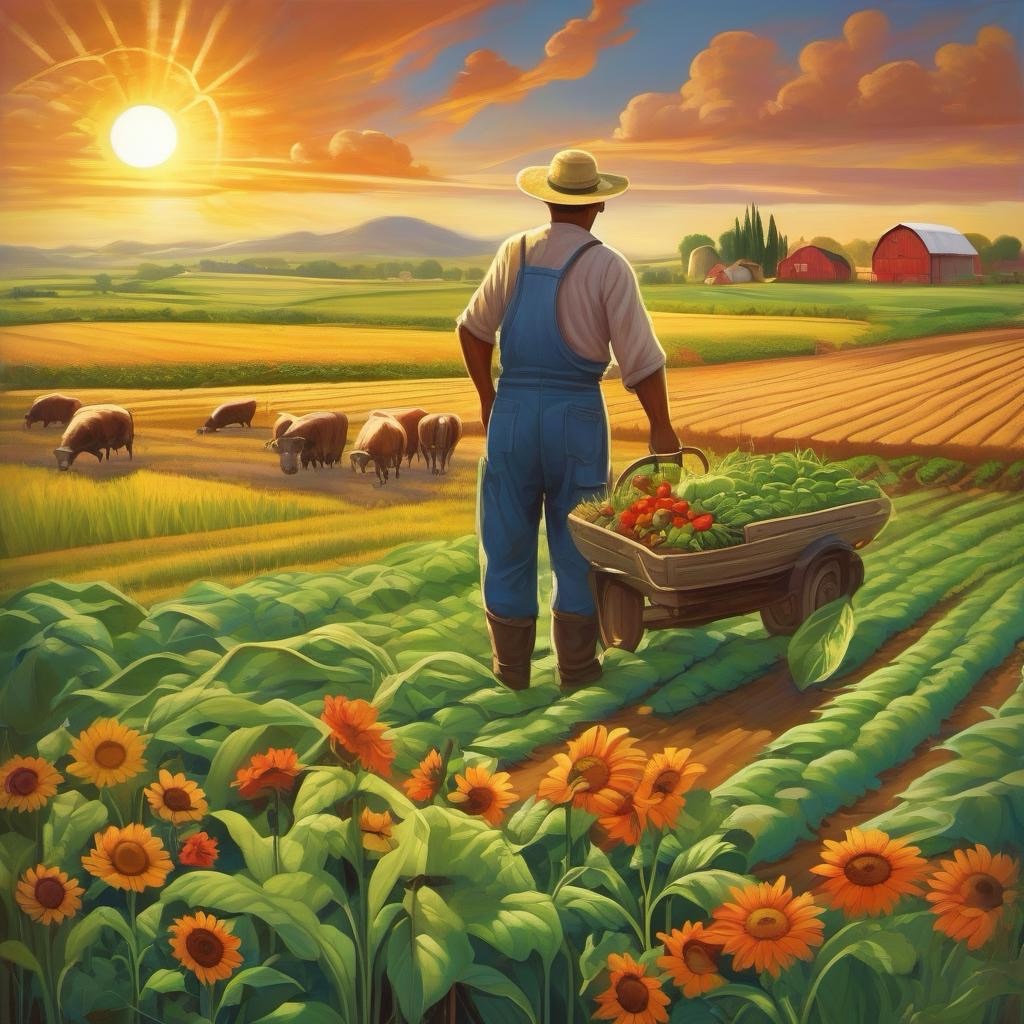
In three years, I envision my life as a flourishing garden, rich in diversity and vibrant with growth. Spiritually, I will have nurtured my inner self, cultivating resilience like deep roots that anchor a mighty tree- providing stability amidst life’s storms.
Physically, I prepare by watering the soil with healthy habits, ensuring that I am strong and vibrant, much like sunflowers reaching for the sun, fueled by dedication and discipline.
Socially, I strive to weave a web of meaningful connections- friends and mentors intertwining like the branches of a willow, offering support and shade in times of need. These relationships will be essential, as they provide the nurturing environment necessary for personal and communal growth.
Intellectually, my mind will be a well-tended library, collecting knowledge and wisdom like seeds to blossom into ideas and innovations, fueling my journey with inspiration and creativity.
This balanced perspective- spiritual, physical, social, and intellectual- is essential for success. Just as a gardener must consider the interplay of sun, soil, and water to grow a thriving garden, I must nurture each aspect of my life. By doing so, I create a harmonious ecosystem where my potential can flourish.
Thus, in three years, I aspire to embody this synergy, fully equipped to embrace opportunities and challenges, ready to harvest the fruits of my labor, and share them with the world around me.







 CHRISTIAN HOPE