Devotional Reflection on December 29, 2024
Scripture: Matthew 2:11: “And going into the house, they saw the child with Mary his mother, and they fell down and worship Him. Then, opening their treasures, they offered Him gifts, gold and frankincense and myrrh.”
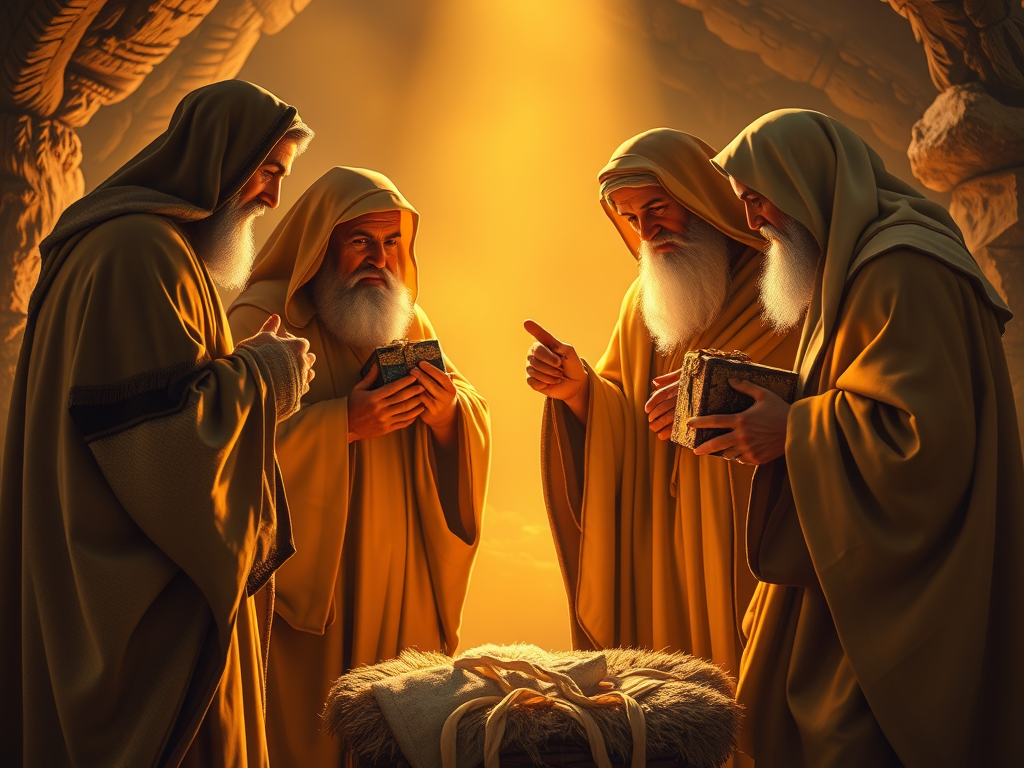
The verse Matthew 2:11 is situated within the broader narrative of the visit of the Magi, or wise men, to the newborn Jesus. The chapter opens with the Magi arriving in Jerusalem, having followed a star that signified the birth of the King of the Jews. They seek information from King Herod, who, feeling threatened by the news of a rival king, inquires about the Messiah’s birthplace. The Magi eventually find Jesus in Bethlehem, and in this moment, Matthew captures their profound response: “And going into the house, they saw the child with Mary his mother, and they fell down and worship Him. Then, opening their treasures, they offered Him gifts, gold and frankincense and myrrh.”
The worship of the wise men carries deep significance on multiple levels. First, it symbolizes the recognition of Jesus’s authority and divine nature, even in His infancy. The act of falling down before Jesus is a posture of humility and reverence, indicating that these learned men from the East understood Him as the long-awaited Messiah. Their worship represents a profound acknowledgment that Jesus is worthy of honor and reverence, aligning with the prophecies and signs that foretold His coming.
Moreover, the gifts they presented-gold, frankincense, and myrrh-were rich in meaning. Gold signifies Jesus’s kingship, as gold is associated with royalty. Frankincense, often used in religious rites, symbolizes His divine nature and the worship He is due. Myrrh, which was used for embalming, foreshadows His sacrificial death. Together, these gifts illustrate not only their reverence for His kingship and divinity but also an awareness of His eventual suffering and purpose.
The implications of the wise men’s worship extend beyond the historical moment and enter the realm of personal and communal faith. Their actions invite believers to consider what it means to truly worship. Worship is more than an act of singing or meeting-it is a lifestyle of honoring God with our hearts, minds, and resources. The Magi traveled great distances, sacrificed their time, and brought offerings, showcasing that sincere worship often requires effort and awe willingness to give.
Additionally, the Magi’s worship breaks cultural and societal boundaries. They were not the traditional Jewish followers; rather, they came from foreign lands. This suggests that Jesus’s with is meant to impact all nations and peoples, inviting a response from everyone regardless of their background. Their worship reminds us that God’s salvation through Christ is universal and transcends individual differences.
Magi’s worship reminds us that God’s salvation through Christ is universal and transcends individual differences.
Thus, in the act of worship described in Matthew 2:11, we see a beautiful tapestry of humility, reverence, and acknowledgement of Jesus’s identity and purpose. The wise men not only enjoyed a remarkable experience of witnessing the Messiah but also set a precedent for all who encounter Him. As we reflect on their response, may we be inspired to approach Jesus with the same heart of adoration and offering, recognizing Him as our King, our God, and our Savior.
Prayer: Heavenly Father, Thank You for the gift of Your Son, Jesus. As we go through our day, help us to recognize His presence in our lives and inspire us to worship You with our hearts and actions. May we offer our gifts and talents for Your glory and serve others with love and kindness. Guide us to seek Your wisdom and direction in all we do. In Jesus’ name, we pray. Amen.
 CHRISTIAN HOPE
Leave a comment