What was your favorite subject in school?
In philosophy class, we often explored profound statements like “God is dead,” proposed by Friedrich Nietzsche. A first glance, this declaration may seem shocking or even blasphemous. However, its true meaning lies in the critique of the decline of traditional values and the existential void that follows. Nietzsche’s assertion reflects the disillusionment of modern society with religious and metaphorical certainties that once provided meaning to life.
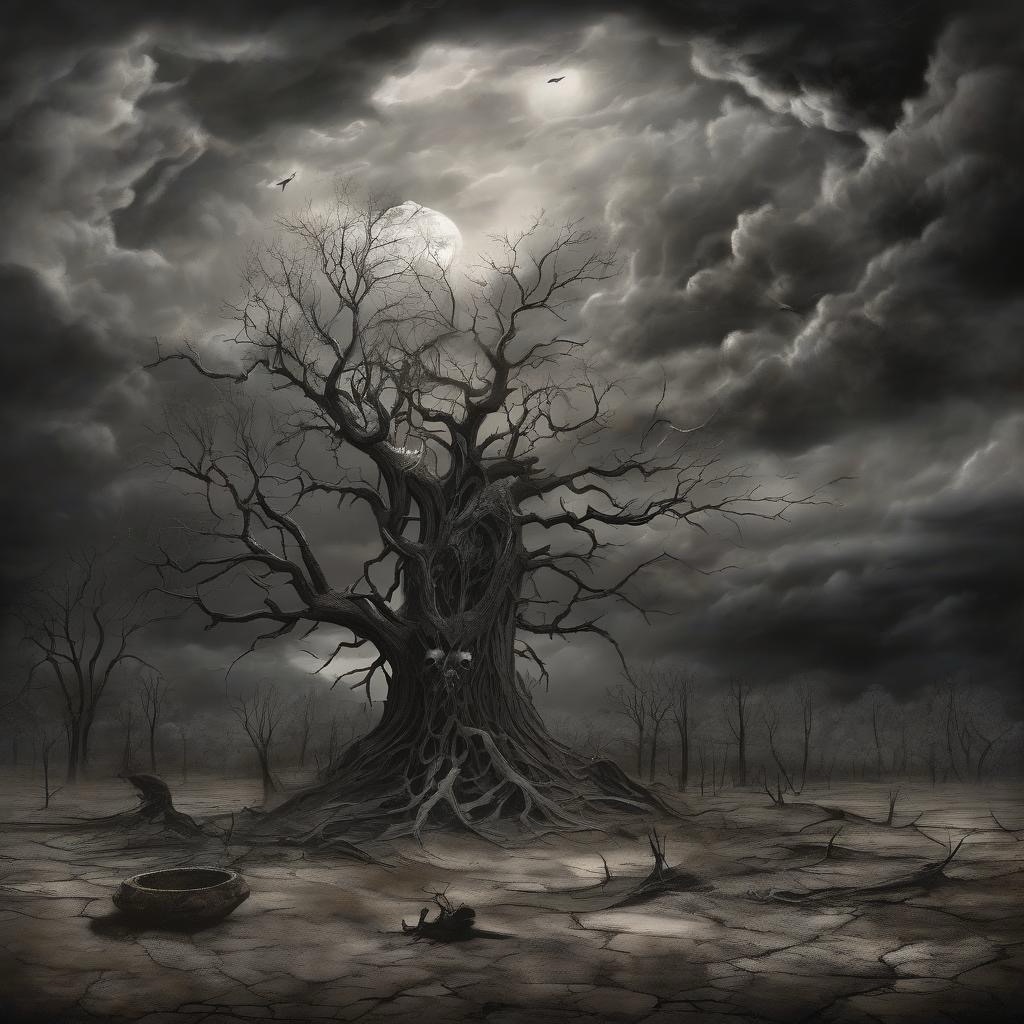
In today’s context, this statement resonates deeply as we navigate a world increasingly defined by secularism, scientific reasoning, and moral relativism. The decline of religious authority raises critical questions about the sources of our values and the purpose of existence. Many individuals find themselves searching for meaning in a world where the traditional frameworks of belief are crumbling.
The challenge we face today is how to construct a sense of purpose and morality without the scaffolding of a divine narrative. This requires a profound courage to engage with existential questions and seek values based on human experience rather than dogma.
Embracing this uncertainty can be daunting, yet it also opens the door to a rich exploration of individual and collective meaning. As I reflect on Nietzsche’s profound statement, I find an invitation to forge my own path and create a personal understanding of purpose in a world where the old certainties appear no longer apply.
While, rather than accepting the idea of God’s death as a liberating realization, I see it as an profound warning about the consequences of turning away from divine guidance, emphasizing the necessity of a relationship with God for true fulfillment and understanding in existence.

 CHRISTIAN HOPE
Leave a comment