What major historical events do you remember?
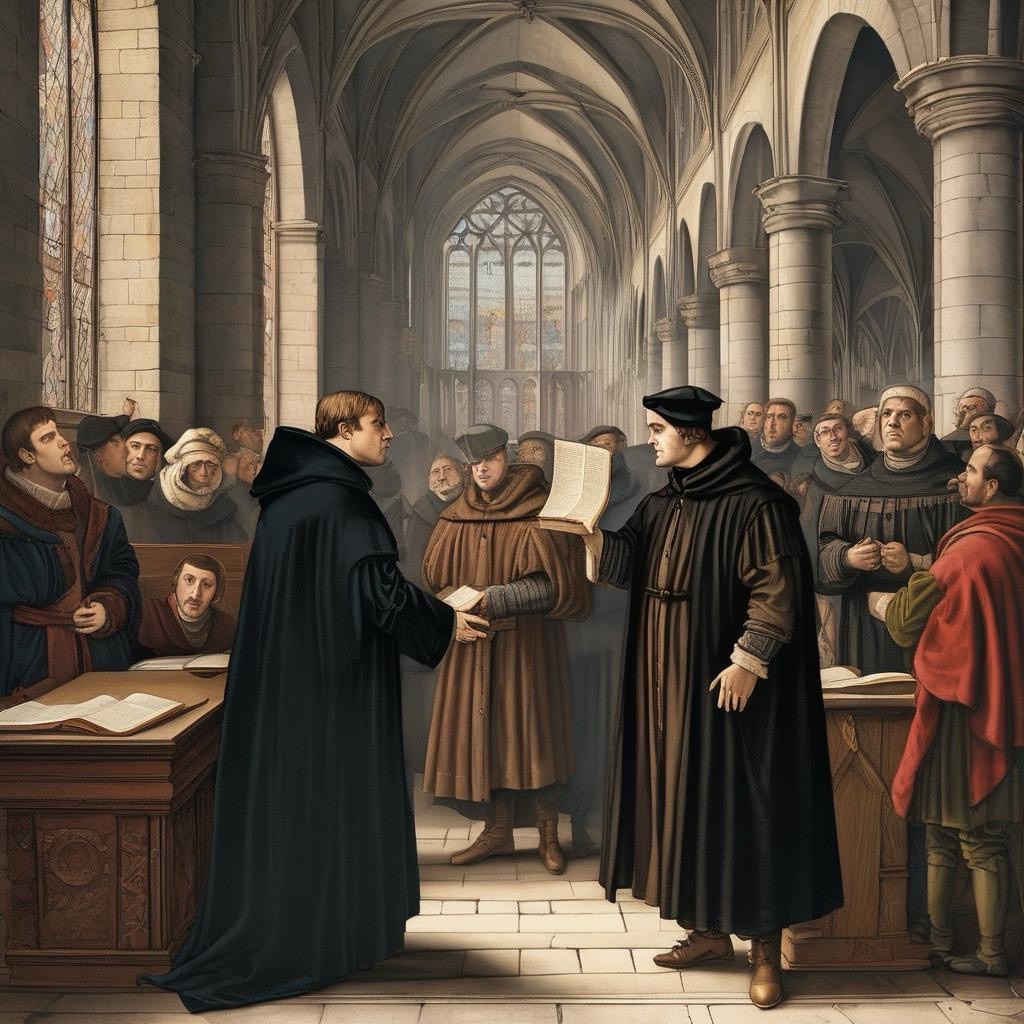
The Reformation, initiated by Martin Luther in 1517, marked a pivotal turning point in European history and the Christian Faith. Luther’s posting of the Ninety-Five Theses on the door of the Wittenberg church criticized the Catholic Church’s practices, particularly the sale of indulgences. This act questioned the authority of the Church and ignited a movement that sought to address perceived corruption, promote personal faith, and return to biblical teachings.
The importance of the Reformation lies in its profound impact on religious, political, and cultural landscapes. It led to the establishment of Protestantism, a branch of Christianity that emphasized individual interpretation of the Scriptures and salvation through faith alone. This shift diminished the Catholic Church’s monopoly on religious authority and inspired a wave of religious pluralism that continues today. Moreover, the Reformation contributed to the rise of modern nation-states by encouraging the questioning of traditional power structures, influencing democratic ideals.
For the Church today, the legacy of the Reformation is multifaceted. It challenges contemporary Christianity to prioritize humility, accountability, and engagement with societal issues. In a world marked by divisions, the Reformation’s emphasis on personal faith and Scripture inspires discussions around Ecumenism and unity among various Christian denominations.
Furthermore, the ongoing responsibility to address ethical issues within the Church echoes Luther’s call for reform. Thus, the Reformation serves as a reminder for the Church to adapt, renew its mission, and maintain integrity in a rapidly changing world.


 CHRISTIAN HOPE
Leave a comment